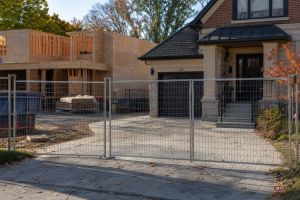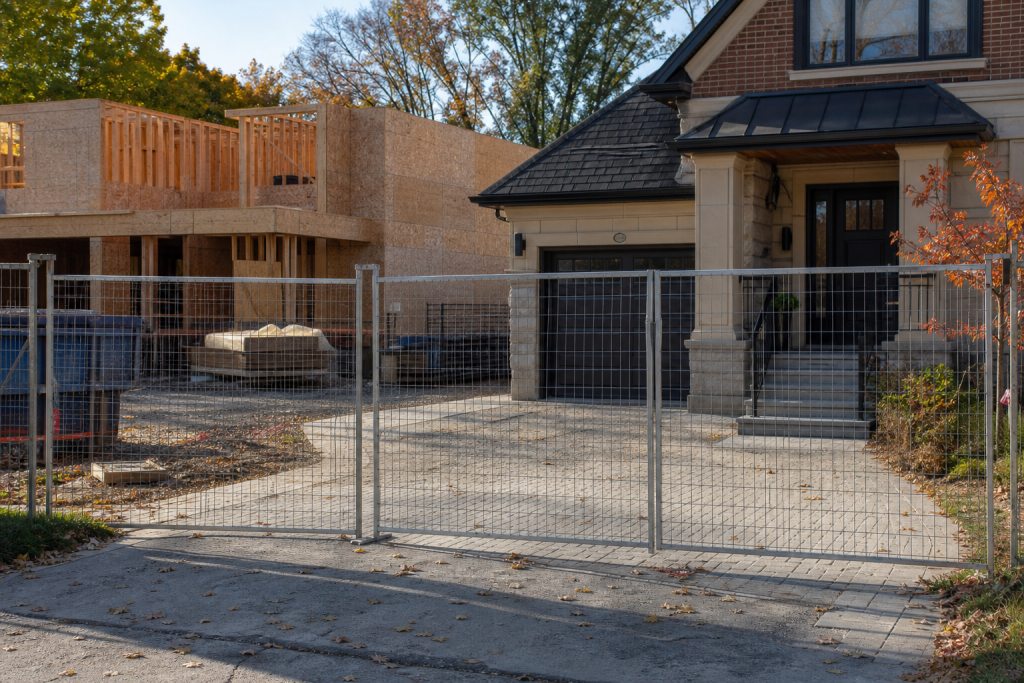
Temporary construction fencing is a removable barrier used to separate active work areas, manage access, and protect people, materials, or property during a limited-duration project. It can be useful around renovations, construction sites, demolition areas, material storage zones, and other temporarily restricted spaces.
It is not the same as a permanent property fence. Temporary fencing is planned around changing site conditions and eventual removal, while permanent fencing is designed to remain as a lasting boundary, privacy feature, or practical perimeter solution.
Key Takeaways
- Temporary construction fencing helps define changing work areas and control access during a project.
- The layout should account for gates, pedestrian routes, vehicles, deliveries, visibility, privacy, ground conditions, and site changes.
- Before arranging service, confirm supply or rental terms, installation, inspections, adjustments, damage responsibility, and removal.
- Permanent wood, composite, or chainlink fencing is more suitable when the boundary will remain after construction ends.
- Immediate Fence Repair provides permanent fence and deck services in Mississauga and the GTA, but temporary fencing supply or rental is not a verified service offering.
Quick summary

- Temporary construction fencing helps define changing work areas and control access during a project.
- The layout should account for gates, pedestrian routes, vehicles, deliveries, visibility, privacy, ground conditions, and site changes.
- Before arranging service, confirm supply or rental terms, installation, inspections, adjustments, damage responsibility, and removal.
- Permanent wood, composite, or chainlink fencing is more suitable when the boundary will remain after construction ends.
- Immediate Fence Repair provides permanent fence and deck services in Mississauga and the GTA, but temporary fencing supply or rental is not a verified service offering.
When temporary construction fencing is useful
Temporary fencing is generally considered when a site needs separation for a defined period and the layout may change before the work is complete. The barrier can help establish a visible boundary between active work and occupied or publicly accessible areas.
The specific setup depends on the project, property, access requirements, and system offered by the provider. Temporary fencing should not be treated as a universal guarantee of security, injury prevention, or liability protection.
Active construction and renovation areas
During construction or renovation, temporary barriers can distinguish work zones from areas used by homeowners, tenants, employees, visitors, or delivery personnel. They may also help separate tools, machinery, debris, and building materials from parts of the property that remain in use.
For a residential renovation, the barrier may need to accommodate household access and contractor movement at the same time. On a commercial project, the arrangement may need to reflect employee routes, customer access, deliveries, and the changing location of work.
Demolition, material storage, and restricted areas
Demolition zones and material storage areas often change as a project progresses. Temporary construction fencing can help mark these spaces and make it clearer where unauthorized access is not intended.
Coordinate the barrier with the project plan. A fence that blocks a delivery route, traps materials inside the wrong area, or prevents necessary access may need to be repositioned as work advances.
Temporary separation around homes and businesses
Temporary fencing may be considered where construction activity takes place beside an occupied home, business, shared property, or public-facing area. The goal is to create practical separation without assuming that every site needs the same type of panel, screening, gate, or support system.
Property owners and project managers should discuss how the barrier will affect access, sightlines, neighbouring properties, deliveries, and normal operations before installation.
Key decisions before arranging temporary fencing

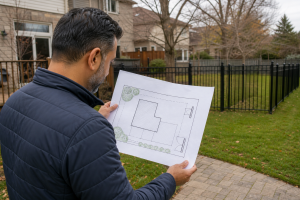
A useful temporary fencing plan starts with the site rather than a standard product. Before contacting a provider, identify the area that needs separation, how long the work may continue, who needs access, and whether the layout is likely to change.
Then confirm the details with a qualified temporary-fencing provider. The following considerations can help you compare options and avoid an arrangement that becomes difficult to use once work begins.
Layout, access points, and gates
Map the proposed perimeter around the actual work area. Consider pedestrian routes, vehicle movement, deliveries, equipment, material storage, and any access that workers or occupants need throughout the project.
Ask where gates should be placed and how many access points are appropriate. Gate locations may need to change if construction phases, delivery routes, or work zones change. Confirm who can request or carry out those adjustments.
Stability and changing site conditions
Ground conditions, exposure, traffic, nearby excavation, weather, and site activity can all affect how a temporary barrier should be arranged. A provider should assess the proposed location and explain how the system is intended to remain appropriately positioned for those conditions.
Do not rely on generic assumptions about dimensions, support methods, or weather performance. Ask which site conditions the provider has considered and what should happen if the ground, perimeter, or surrounding activity changes.
Visibility, privacy, and appearance
Some temporary barriers define a site while maintaining visibility. Others may include screening or a less open arrangement where more visual separation is needed. The right choice depends on the work, the surrounding property, and the provider’s available system.
Discuss whether workers need clear sightlines, whether stored materials should be less visible, and how the barrier will look beside a home, business, street, or neighbouring property.
Duration, inspection, removal, and responsibility
Confirm the expected use period and what happens if the project runs longer than planned. Ask whether the provider includes inspections, adjustments, maintenance, or replacement of damaged components, and clarify who is responsible for reporting problems.
Removal should be planned from the beginning. Discuss the intended removal date, how changes to the site affect that date, and what condition the area must be in before the barrier is taken away.
Questions to ask a temporary fencing provider
Before agreeing to an arrangement, ask questions that address both the initial setup and the full project period:
- Do you supply, rent, install, and remove the temporary fencing, or only provide some of those services?
- What information do you need about the site, ground conditions, work area, and expected duration?
- How should gates be positioned for pedestrians, vehicles, deliveries, and workers?
- What options are available for visibility, screening, and privacy?
- How is the setup reviewed if the site layout or weather conditions change?
- Who handles inspections, repairs, repositioning, or damaged components?
- What are the terms if the project lasts longer than originally expected?
- Who arranges final removal, and what preparation is required?
These questions help distinguish a suitable site-control plan from a simple delivery of panels. They also clarify which responsibilities remain with the property owner, contractor, or provider.
Temporary construction fencing versus permanent fencing
Temporary construction fencing is designed for flexibility. It can be arranged around a short-term work area, adjusted as the project changes, and removed when the need for separation ends.
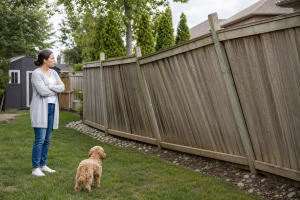
Permanent fencing is designed for a continuing purpose after construction. It may establish a property boundary, provide privacy, define an outdoor area, support a long-term access plan, or contribute to the appearance of a home or business.
When temporary fencing is the better fit
Temporary fencing may make more sense when the project has a limited or uncertain duration, the site layout will change, access must be restricted only during active work, or the barrier is not intended to remain once construction is complete.
Plan removal when the work area will eventually return to normal use. A temporary arrangement should not become a permanent boundary simply because no long-term decision was made.
When a permanent fence makes more sense
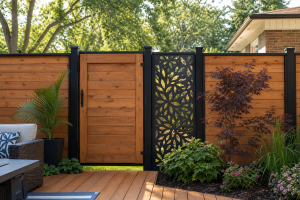
A permanent fence may be more appropriate when the owner wants a lasting boundary, privacy, curb appeal, or ongoing separation after construction ends. The decision should reflect the property layout, desired appearance, maintenance expectations, access needs, and intended use of the space.
For homeowners planning a lasting wood boundary in Mississauga, planning a new wood fence installation can help frame design and project questions. Those considering another long-term material can also review composite fence installation planning.
Choosing between wood, composite, and chainlink
Wood can suit property owners who want a customizable fence with a traditional appearance or privacy-oriented design. Composite provides another long-term material option. Chainlink can suit practical perimeter applications, including commercial settings where an open boundary may be appropriate.
Material selection should follow the property’s purpose. Consider privacy, visibility, appearance, access, site use, and the type of boundary you want after construction is finished.
When a temporary need becomes a permanent boundary
A temporary requirement may become a permanent fencing decision when the property needs ongoing separation after the project, when access patterns settle into a lasting arrangement, or when repeated temporary setups no longer fit the way the space is used.
At that point, reassess the intended boundary instead of simply extending the temporary arrangement. A lasting solution should account for the property’s layout, desired privacy, appearance, gates, access, and the activities the fence needs to support.
A sensible next step for Mississauga and GTA properties
Immediate Fence Repair is a Mississauga-based fence and deck company serving homeowners and businesses in the Greater Toronto Area. Its verified permanent fencing services include fence repair, fence post repair, new wood fence installation, composite fence installation, chainlink fencing, commercial chainlink fencing, and wooden gates.
The company’s verified information does not establish that it rents, supplies, installs, or removes temporary construction fencing. If you need a short-term site barrier, confirm those services and responsibilities directly with a qualified temporary-fencing provider.
When your project requires a permanent fence solution or an existing fence needs attention, you can request a callback or book an appointment with Immediate Fence Repair.
Frequently asked questions
What is temporary construction fencing used for?
It creates a removable boundary around an active work area, renovation, demolition zone, material storage area, or other temporarily restricted space. The arrangement helps define where work is taking place and how people, vehicles, and materials move around the site.
How is temporary construction fencing different from permanent fencing?
Temporary fencing is intended to be removable and adaptable as a project changes. Permanent fencing is selected for a lasting purpose, such as defining a property boundary, providing privacy, creating a long-term perimeter, or improving an outdoor area.
What should I ask before arranging temporary construction fencing?
Ask who supplies, installs, inspects, adjusts, repairs, and removes the barrier. Discuss gates, access routes, screening, site conditions, layout changes, extension terms, damage responsibility, and the planned removal process.
When should I replace temporary fencing with a permanent fence?
Consider permanent fencing when separation will continue after construction, access patterns have become stable, or the owner wants lasting privacy, appearance, or boundary definition. Review the site’s intended use and material options before making that change.
Making the right fencing decision for your project
Temporary construction fencing is short-term site infrastructure. It supports separation and access control while work is active, but the right arrangement depends on the project layout, site conditions, visibility needs, gates, duration, inspections, and removal responsibilities.
If the boundary will remain useful after construction, compare a permanent solution instead of treating temporary fencing as an indefinite substitute. Wood, composite, and chainlink each support different property goals.
For permanent fence repair, post repair, wood fencing, composite fencing, or chainlink fencing in Mississauga and the GTA, visit Immediate Fence Repair to request a callback or book an appointment.