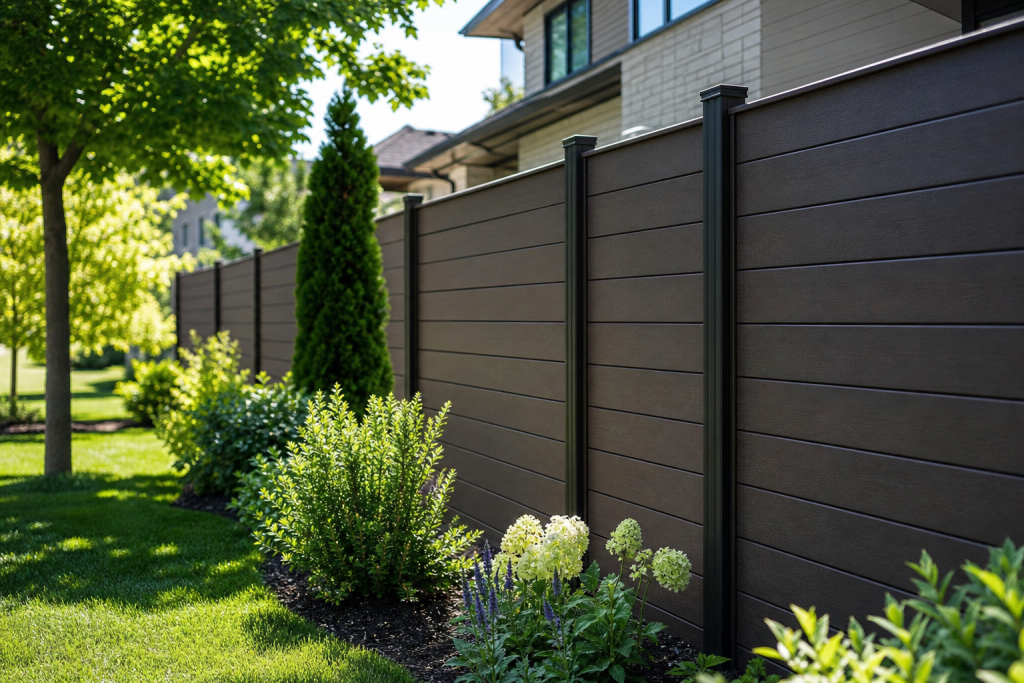
This composite fence installation decision checklist helps Mississauga and Greater Toronto Area homeowners decide whether to proceed with composite fencing and lists the exact steps to prepare your property, confirm permits and utilities, vet installers, choose materials, and set realistic day-of expectations. If you want a printable one-page worksheet to bring to contractor meetings or to request an on-site assessment, start with Immediate Fence Repair.
Quick decision snapshot: three questions to answer before you plan
Answer these three yes or no questions to decide whether to move from casual interest to formal planning.
Decision questions you can answer in 10 minutes
- Do you want a low maintenance fence material that resists rot and staining more than untreated wood? If yes, composite may be worth the premium.
- Is your budget flexible enough to accept higher material costs than basic wood but lower ongoing maintenance over time? If yes, continue planning.
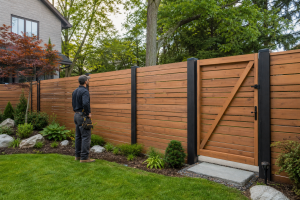
- Will a fence height of 1.8 to 2.0 metres meet your privacy needs and local rules? If yes, note that bylaws may still restrict height depending on location.
When to pause and ask for an on-site assessment
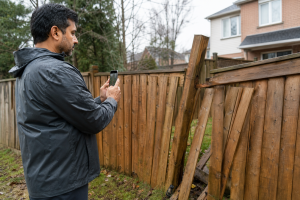
Request a professional site visit before you book when any of the following apply: the yard has steep or uneven grades, the boundary lines are unclear, the fence will sit on a shared property line, or there is any chance of buried services under the proposed posts. An on-site assessment will clarify feasibility and give you an accurate written quote.
Step 1: Material and design decisions to confirm before you hire
Make these material and design choices before soliciting final quotes. Your answers will shape post spacing, panel type, and hardware costs.
What to confirm about composite panels and posts
- Colour and finish options. Composite panels and trim come in colours that can fade slightly over time. Ask the manufacturer for fade tolerance and colour matching guidelines.
- Fastening system. Confirm whether the system uses visible screws or hidden fasteners. Hidden systems change installation time and repair approach.
- Warranty coverage. Request the manufacturer warranty details and note whether the installer provides a separate workmanship warranty.
Design checklist
- Decide on privacy level: full privacy, semi privacy, or decorative panels.
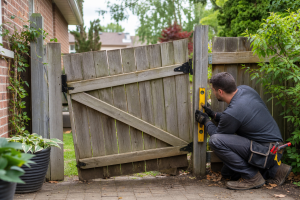
- Plan gate locations and swing direction and confirm required clearance for gate hardware.
- Match or complement existing exterior elements like decks or trim for a coherent look.
Composite products vary by manufacturer. Ask suppliers for product data sheets and installation guides so your contractor can plan accordingly.
Step 2: Permits, bylaws and property-line checks for Mississauga

Municipal rules vary for fence height, setbacks, and permitted materials. Your contractor should know local bylaws and you may need a survey to avoid boundary disputes. For homeowner preparation and hiring best practices, including checking bylaws and getting multiple written quotes, consult local hiring guidance that recommends verifying municipal rules before work begins.
Before you sign any contract, contact the City of Mississauga planning or building department to confirm permit requirements for your address and read their fence regulations. If your property borders another municipality, check both sets of rules.
Where to confirm local rules
- Call or check Mississauga’s municipal website for fence height, setback, and material restrictions.
- If you are unsure about property boundaries, order a property survey before work starts.
When you need a property survey or neighbour agreement
Get a survey if boundary lines are disputed or unclear. For shared or party fences, obtain a written neighbour agreement that outlines who pays for what and where the fence will sit. For general guidance on bylaws, contractor responsibilities and the homeowner checklist before hiring, review local hiring guides which recommend confirming bylaws and getting at least three written quotes for comparison.
Step 3: Utility locates and site preparation you must complete
Always arrange utility locates before any digging. In Canada the call-before-you-dig process is vital to mark buried gas, electrical, and water services so installers can avoid them. Plan utility marking several days in advance of the scheduled dig to avoid delays and added labour.
Call-before-you-dig and timing
Contact your local utility locate service to request marking of buried lines at least three to five business days before your planned excavation, as recommended in contractor installation checklists. This is a safety step you must complete or confirm with your installer to prevent damage to utilities and to meet municipal expectations. See a professional composite fencing guide that highlights the importance of utility locates before digging.
Call-before-you-dig guidance and contractor site prep explains why locates are scheduled ahead of digging and lists other preparatory tasks to avoid delays.
Site clearing and access
- Clear the fence line of shrubs, small trees, and debris. Mark large trees you want preserved so the crew avoids them.
- Confirm vehicle access for trucks and forklifts where panels and posts will be staged.
- Plan temporary parking for workers and a trash staging area for removed materials.
What not to do
- Do not start digging before locates are marked, even for trial holes.
- Do not move a property corner marker or try to re locate buried services yourself.
Step 4: How to vet contractors and the paperwork to request
Use this contractor vetting checklist during phone conversations and site visits. Industry guidance recommends getting at least three written quotes and verifying references before hiring.
Must request documents
- Three written quotes that list materials, labour, post spacing, footing method, and exclusions.
- Proof of liability insurance to cover property damage during work and confirmation of worker coverage where applicable.
- Local references or recent project photos from the last 12 months and, where applicable, a WSIB clearance or equivalent documentation for proof of compliance with provincial requirements.
For a homeowner hiring checklist and contractor vetting guidance, provincial and local hiring guides recommend comparing written bids and checking references and reviews before awarding work.
Interview questions to ask on the site visit
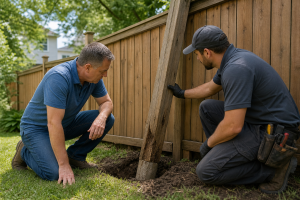
- How deep will you set posts and what footing method will you use?
- How do you plan to handle disposal of the old fence and site clean up?
- What is the proposed timeline and payment schedule and how will changes be documented?
Decision criteria for choosing a quote
Choose the bid that offers a clear scope, verifiable local references, reasonable warranty terms, and a transparent payment schedule. Cheaper is not always better if the scope is vague or key items like post depth are omitted.
Step 5: Post, footing, gate and day-of install expectations

Confirm these technical and logistical items in writing before the crew arrives so the install day goes smoothly. Installation guidance recommends preparing a plan that shows post and gate locations before work begins.
Footings and post details to confirm
- Confirm footing method: poured concrete footings or compacted gravel footings. Ask the contractor to explain how their method deals with frost heave in the GTA climate.
- Request post depth and concrete volume estimates in the written quote so you can compare bids fairly.
For installation planning and suggested steps that include showing post and gate locations on a diagram, see professional installation guidance which recommends preparing a drawing of the fence layout prior to work.
Site logistics on install day
- Provide confirmed parking for the crew and access to water if requested.
- Notify neighbours about expected noise windows and equipment access.
- Expect some dust and material handling and ask the contractor to include daily clean up in the scope.
What to expect in a standard workday
Typical single day tasks include post digging and setting, temporary bracing, and panel installation where accessible. Larger projects may run multiple days. Confirm crew size and approximate daily working hours in the quote.
Step 6: Warranties, maintenance and what to expect after installation
Before you pay the final invoice, make sure warranty and maintenance responsibilities are clearly written into the contract.
Warranty items to confirm in writing
- Manufacturer warranty for composite panels and what it does and does not cover.
- Installer workmanship warranty and the period it covers for labour defects.
- Who is responsible for adjusting or replacing gate hardware if settling occurs after installation.
Simple maintenance planner
- Plan a yearly wash with mild detergent to remove dirt and prevent staining.
- Inspect gate hardware and post braces twice a year and after major storms.
- Keep vegetation trimmed away from panels to avoid moisture trapping.
Do not rely on verbal promises about warranty or maintenance. Ask for written terms and keep the manufacturer’s product data sheets with your records.
Final checklist and next steps
Condensed checklist you can act on today:
- Confirm you want composite and collect manufacturer data sheets.
- Check Mississauga bylaws and determine if a permit or survey is required.
- Order utility locates at least three to five business days before digging and confirm with your contractor that locates are scheduled. See contractor site prep guidance.
- Clear the proposed fence line and ensure vehicle access for staging.
- Request three written quotes that include post depth, footing method and warranty details and verify local references. See how to hire a fencing contractor.
- Ask for a plan showing post and gate locations before installation starts. See installation planning checklist.
If you would like a Mississauga based installer to inspect the property and produce a written quote, request a callback or book an on-site assessment with Immediate Fence Repair to get a local quote and a printed one page checklist to take to your contractor meeting.
Frequently asked questions
Do I need a permit for a composite fence in Mississauga?
Permit requirements vary by property and fence height. Confirm with the City of Mississauga’s building or bylaw office before you start. Your contractor should also be familiar with local rules and advise you during the site visit.
Who arranges utility locates and how far in advance should I call?
Either you or your contractor can arrange utility locates, but you must ensure they are completed before digging. Plan to call the local utility locate service at least three to five business days before excavation so markings are in place, as recommended in contractor site preparation guidance. See contractor site prep guidance for details.
What specific documents should I ask a fence contractor to provide?
Request three written quotes, proof of liability insurance, confirmation of worker coverage or WSIB clearance where applicable, a workmanship warranty in writing, and local references with recent photos of completed projects.
How deep should posts and footings be for a composite privacy fence in the GTA climate?
Post depth and footing details depend on soil type and frost depth. Confirm the contractor’s proposed post depth and footing method in writing and compare across bids. Installation planning guides recommend documenting these details on the quote and site drawing. See installation planning checklist for reference.
What warranty and maintenance questions should I get in writing before installation?
Get the manufacturer’s product warranty, the installer’s workmanship warranty, and the duration of each in writing. Ask who pays for adjustments for settling or gate alignment. Also ask for written maintenance recommendations from the manufacturer so you can maintain warranty conditions.
If you are ready to move from planning to a site inspection, request a callback or book an on-site assessment with Immediate Fence Repair to get a local quote and a printed one page checklist for your contractor meeting.