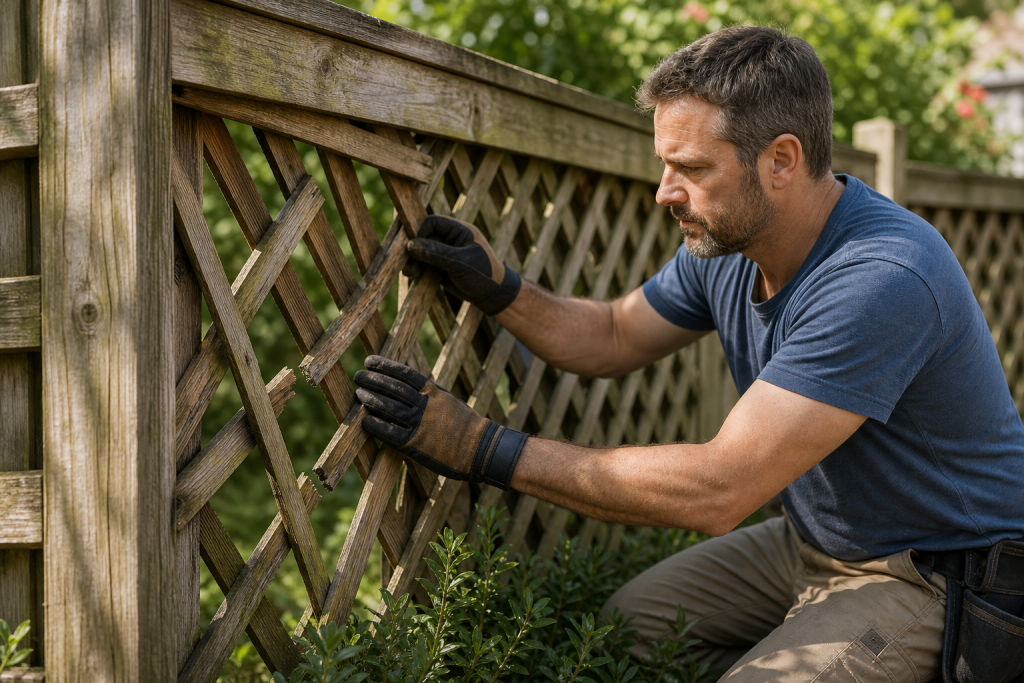
Decorative and lattice fence panels improve curb appeal, but a poorly planned repair can be visible and short lived. Use these seven numbered checks on-site and in contractor quotes to decide whether a repair will last, or whether a panel or post should be replaced. Each item contains practical tests, the contractor answers to request, and a clear decision rule you can use when comparing bids.
1. Overlooking post and main-frame condition
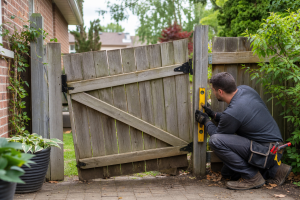
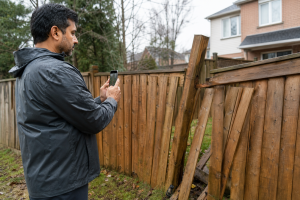
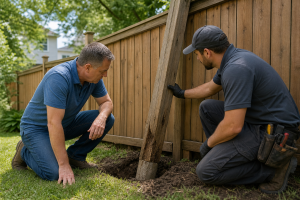
The single most important factor for a lasting lattice repair is a sound post and a rigid main frame. If the posts have rot, heave, or loose anchors, any cosmetic fix will fail quickly. Homeowners should inspect the posts before authorizing panel work and insist the contractor document their findings in writing. Local experts advise checking posts first because the decision to repair or replace usually reduces to whether the supporting posts and frame are structurally serviceable; if they are not, replacement or a post-and-panel solution is the long-term choice (GTA Homeowner Guide).
On-site tests you can do
- Push the panel at mid-height and watch for movement at the post; excessive sway indicates a loose or failing anchor.
- Inspect the post at ground level for soft wood, fungal staining, or gaps where the post meets the soil, all signs of rot.
- Look along the top edge for diagonal sagging, split mortise joints, or separation between frame members.
Decision rule: if two of the three checks show movement or rot, favour post replacement or full-panel replacement rather than a purely cosmetic lattice repair. Expect a reputable contractor to state post depth, whether a post will be replaced or reinforced, and to offer to show the post excavation on request.
2. Treating an Ontario-season cosmetic fix as permanent
Ontario seasons stress wood fences in different ways, and a repair that looks fine in summer can fail after a freeze and thaw cycle. Wind, snow load, and moisture cycling cause fasteners to loosen and wood to split over time. For this reason you should only accept a repair that includes documented weatherproofing or a clear plan to make the repaired area weather-ready. Regional installation guides stress that deciding between repair and replacement requires knowing whether the repair will survive another Ontario winter (GTA Homeowner Guide).
Durability checklist to request
- Confirm preservative treatment or paint/stain on any fresh cuts, and ask which product will be used.
- Require proper clearance from grade to avoid splashback and trapped moisture at the bottom of panels.
- Ask the contractor to estimate expected service life for the repair in local climate conditions and to note it on the quote.
Decision rule: accept a repair only when the contractor documents a treatment plan and an expected service life; if the reply is vague, plan for a replacement that specifies weather-rated materials and construction details.
3. Not asking how fresh cuts and exposed wood will be treated

One common shortcut is to make replacement cuts and leave the raw wood exposed, which accelerates rot at repaired joins. Ask how the contractor will protect cut ends, whether they will apply a preservative or sealer, and which product they will use. Fencing professionals recommend asking these exact questions because untreated cuts are a common cause of early failure (What to Ask a Fencing Contractor).
Questions to require on-site and on the quote
- Will you apply a wood preservative or stain to fresh cuts, and what brand or type will you use?
- Will cut ends, post mortises, and hidden joins be sealed before reassembling the panel?
- Can you include a note on the quote describing the treatment steps and materials?
Decision rule: require the quote to name the treatment and describe application steps. Treat an answer such as “we’ll touch it up” as a warning sign that the contractor may be cutting corners.
4. Approving a vague or non-itemized quote
An itemized written quote is essential to compare bids and avoid surprise extras. In Canada guidance for hiring fencing contractors recommends written, itemized proposals that list materials, post depths, and scope of work so you can compare installation systems rather than brand claims (How to Choose a Fence Contractor in Canada).
Quote checklist to require
- Line items for labour and materials, number of panels, and whether partial panel replacement is included.
- Post type and depth, fastener types, preservative or stain brand, and disposal of old materials.
- Warranty terms, start and completion dates, and any conditions for additional charges.
Decision rule: reject quotes that lack post depth, fastening details, or specific materials. Prefer itemized bids that you can match against at least one competitor to confirm parity and fair pricing.
5. Ignoring shared-fence neighbour agreements

If the panel sits on a property line, local practice requires confirming ownership and neighbour permission before removing or replacing work. The GTA homeowner guides note that shared fence lines often require a discussion about cost sharing and clear written agreements to avoid disputes (Fence Installation in the GTA).
How to handle a shared panel
- Confirm ownership and any municipal rules about shared fences before work starts.
- Present the written scope to the neighbour and get a signed agreement or email confirming consent.
- Photograph the pre-work condition and keep records of communications and the written quote.
Decision rule: if a neighbour disputes ownership or access, do not remove or replace panels until ownership is resolved. Consider a temporary brace-only repair to make the panel safe while the dispute is settled.
6. Expecting patterned or decorative panels to hide repairs
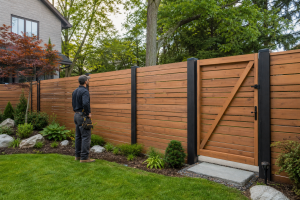
Patterned, lattice, and decorative panels are attractive, but they are harder to patch invisibly. Expert buying guides explain that small fixes like refixing a loose slat can be nearly invisible, while repairing warped patterned panels or replacing many matching elements often leaves a visible patch (Decorative Fence Panels Buying Guide).
Typical repair outcomes
- Often nearly invisible: refixing a loose slat, replacing a single damaged board, resetting clips.
- Often visible: repairing a warped patterned panel, replacing multiple matching slats, or patching complex lattice patterns.
- If stain or paint is involved, expect colour matching to age differently over time.
Decision rule: if visual match matters to you, ask the contractor to perform a small test repair and provide before-and-after photos or a written visual guarantee. If the contractor cannot deliver a close match, plan for full-panel replacement for the best appearance.
7. Hiring without verifying insurance, references, and guarantees
Working with uninsured or unreferenced contractors adds financial and liability risk. Canadian hiring guidance recommends requesting proof of commercial general liability and workplace coverage, checking references, and asking for written warranty terms before you sign (How to Choose a Fence Contractor in Canada).
Verification checklist
- Ask for an insurance certificate showing commercial general liability and workers compensation coverage.
- Request three local references or recent project photos with contactable clients, and follow up on at least two.
- Confirm warranty terms in writing, including defect periods, what is covered, and how punch-list items will be handled.
Decision rule: do not hire if the contractor will not provide insurance certificates or references. Prefer a contractor who commits in writing to a defect period and clarifies what is covered. If you want a local inspection that follows these checks, request an itemized callback and inspection from a trusted Mississauga team such as the services listed on the company site (Immediate Fence Repair).
Frequently asked questions
How do I tell whether a lattice panel should be repaired or replaced?
Start with the posts and main frame. If posts are rotten or the frame is warped, replacement or a post-and-panel solution is usually the better long-term choice. If the structure is sound and damage is limited to a few slats, a targeted repair can be effective.
What exactly should be included in a written quote for fence lattice repair?
Ask for line items for labour and materials, post type and depth, fastener types, preservative or stain brand, number of panels or slats included, warranty terms, and disposal of old materials. An itemized quote prevents surprise charges.
Do I need my neighbour’s permission to repair a shared lattice panel on a property line?
Yes, confirm ownership and get a written agreement or signed consent from your neighbour before removing or replacing a shared panel. Keep photos and records of all communications and the quoted scope.
How long will a typical lattice repair last in Mississauga weather?
Longevity depends on post condition, treatment of fresh cuts, and materials. A well-executed repair with preserved cuts and sound posts can last several years. If posts are marginal or treatments are omitted, expect a much shorter life. Ask the contractor for an expected service-life estimate in writing.
What insurance and guarantee documents should I ask a contractor to provide?
Request a commercial general liability certificate, workers compensation proof, three local references or recent project contacts, and a written warranty that defines the defect period and what it covers. Do not hire without these documents.
If you want a local, itemized inspection and a written quote that follows the checks above, request a callback from Immediate Fence Repair.