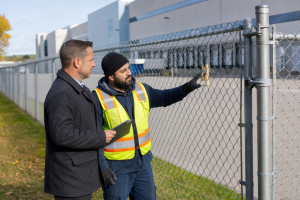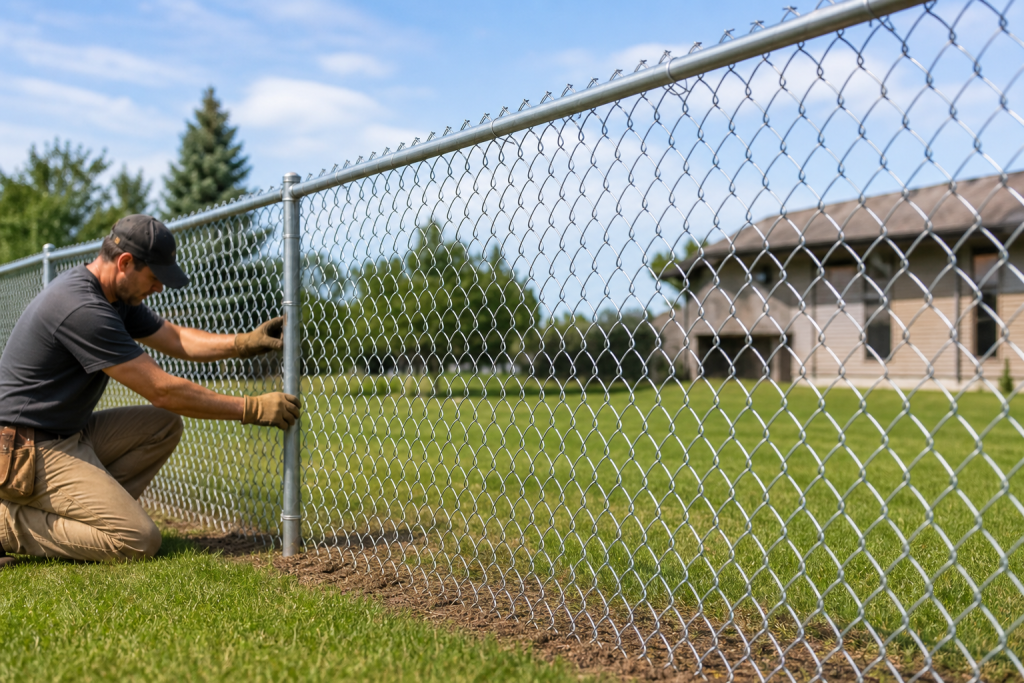
Start with a quick site diagnostic before you shop
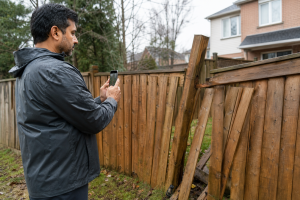
Before you compare products or request quotes, walk the fence line to establish the real scope of work. A short diagnostic helps you decide whether you need a section repair, post replacement, or a full replacement.
- Note where the fabric sags, where posts lean, and where fittings are rusted or broken.
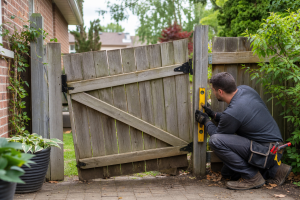
- Check gates for smooth operation. A stiff or misaligned gate often points to a weakened post.
- Look for uneven ground, tree roots, or drainage channels that could undermine post stability.
- Confirm property lines or visible markers before altering posts. If boundary corners are unclear, stop and consult a surveyor or talk to your neighbour.
- Flag safety hazards such as exposed tension wires, loose top rails, or fencing that supports climbing vegetation. These are reasons to call a professional.
If the fence supports utilities, sits on a steep slope, or shares a disputed boundary, schedule a professional on-site assessment rather than attempting a DIY fix.
Choose the right mesh, gauge and coating
Three choices determine the fabric performance: mesh height, wire gauge, and coating. Taller mesh and a lower gauge number increase strength. Gauge describes wire thickness. A lower gauge is thicker and resists impact and sag better. Thicker wire costs more but reduces maintenance on high use or commercial sites. For most residential yards a mid-range gauge offers a cost and durability balance.
Coating affects corrosion resistance and appearance. Options are plain galvanized finish or vinyl coating over galvanized wire. Galvanized is economical and performs well where chemical or salt exposure is limited. Vinyl coated mesh gives a cleaner look and adds corrosion protection, which helps near salted roads or coastal conditions. Ask installers to show product samples and provide the exact specification for mesh height, gauge and coating.
Posts, top rail and fittings that determine durability
The fabric is only as strong as its posts and fittings. Post material and embedment, top rail size, tension wire, and fitting quality shape the fence lifespan and wind performance.
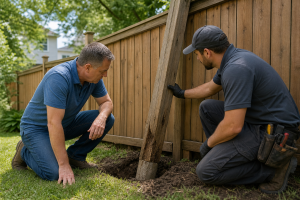
- Post type and embedment. Use structural posts sized for your mesh height and expected loads. Posts must be set below the local frost line or to code and secured so they resist lever loads from gates and wind. Ask how posts will be set and what concrete or anchoring method will be used.
- Top rail and bracing. A continuous top rail reduces fabric movement. For long runs tension wires and mid rails help prevent sagging.
- Hardware and fittings. Choose corrosion resistant fittings and proper tensioning hardware. Insist on stainless or coated fittings where moisture or salt exposure is likely.
- Post spacing. Wider spacing lowers cost but increases strain on the fabric. Typical residential spacing balances economy and performance. Request spacing in writing.
Confirm the installer will deliver the post diameter or wall thickness specified in the quote and that they will document embedment depth and concrete type.
Gates and security options: what to specify

Gates influence security and usability. Decide whether you need a pedestrian gate, a drive-through single gate, or a double gate. Match hardware to use. For higher security choose heavy gauge frames, tamper resistant hinges, and keyed or latch locksets made for outdoor use.
For commercial sites or properties with safety concerns, discuss welded frames, security hinges, and anti-lift devices with your contractor. Gate strength, lock type, and visibility change the security profile significantly, so include gate specifications in written bids.
Privacy and appearance upgrades and their tradeoffs
Chainlink is economical but see-through. If privacy or wind reduction matters, choose from slats, windscreen fabric, vinyl coating, or plantings. Each option affects airflow, wind load and maintenance.
- Privacy slats insert into the mesh and create an opaque look. They increase wind loading, so posts and fittings must be stronger.
- Windscreens and fabric screens attach to the fence and come in different openness ratings. They can be removed seasonally to restore airflow.
- Vinyl coating improves appearance and corrosion resistance but does not create privacy unless paired with slats or screening.
- Planting and trellises soften the fence line and add privacy over time. Plants need time to establish and they require pruning that can affect the fence.
Buying slats or screening after installation is common, but confirm warranty conditions if you plan to attach heavy screening. Reinforcing posts before adding heavy attachments is often required.
Repair, post replacement or full replacement: a diagnostic checklist
Decide repair or replacement based on how widespread damage is, post and fitting condition, and remaining fabric life. Use this flow to decide.
- If damage is limited to one or two panels with solid adjacent posts, a section repair or panel replacement is often sufficient.
- If multiple posts are rusted, bent, or loose at the base, post replacement for those sections or a full line replacement may be safer.
- If the fabric shows widespread corrosion, large holes, or significant sag across multiple posts, a full replacement usually costs less than repeated repairs.
- If gates fail to align after post repairs, post movement could indicate a wider structural issue that may justify replacing whole runs.
- If the fence must meet a new security or appearance standard, replacing fabric, posts and gates together ensures consistent performance and warranty coverage.
If you are unsure after the diagnostic, request an on-site inspection from a qualified installer who can test post stability and provide a written recommendation and cost estimate. Immediate Fence Repair offers on-site assessments across the Greater Toronto Area, including Mississauga, and can advise whether a section repair, post repair, or full replacement is best for your property.
How to choose a local chain link fence installer in Mississauga

When evaluating contractors ask focused technical and logistical questions and compare three written bids. Confirm the following items in writing.
- Exact mesh specification: height, wire gauge and coating. Compare a physical sample or product spec sheet rather than relying on a generic description.
- Post and rail specification: post diameter or wall thickness, embedment depth, and whether concrete footings are used.
- Hardware and fittings: tension bands, ties, hinges and latch specification with corrosion resistance details.
- Scope and timeline: start date, number of work days, access requirements, and site cleanup or disposal.
- Warranty and maintenance: what the contractor warrants and for how long, and which materials carry manufacturer warranties.
- Permits and property lines: who will check and secure permits and whether the installer will coordinate on boundary confirmation.
- Payment terms: deposit amount, milestone payments, and final retention on satisfactory completion.
- References and local examples: ask for recent projects in Mississauga and inspect photos or drive-by sites when possible.
Warning signs include vague specifications, very short timelines that suggest cutting corners, and refusal to provide written warranties. Score bids by assigning points for clear specifications, warranty length, local references, and included site cleanup.
Maintenance expectations and typical lifespan factors
Chainlink fences are low maintenance when installed correctly. Inspect fittings, tensioning and gate operation at least once a year. Rinse or brush off salt deposits after winter. Replace broken ties promptly and touch up damaged coatings to reduce corrosion risk.
Coating quality and correct tensioning determine rust resistance. Regularly tighten tension bands and replace damaged ties. Address small corrosion areas quickly to avoid larger replacements later.
Decision checklist and next steps for Mississauga property owners
Final ordered steps to move from research to a booked job.
- Confirm property lines and mark any underground services before work starts.
- Choose a mesh height, gauge and coating that match your priorities for cost, privacy and durability.
- Decide whether you need stronger posts and rails for gates or upgraded privacy screening.
- Get at least three written quotes that specify mesh, posts, hardware, timeline and warranty.
- Compare bids using the specification checklist and verify local references.
- Schedule an on-site assessment to finalise the proposal and confirm a start date.
If you would like a local on-site assessment, request a callback or book an inspection with Immediate Fence Repair to get a clear recommendation for repair versus replacement and a written quote tailored to your Mississauga property.
Frequently asked questions
Do I need a permit to install or replace a chainlink fence in Mississauga?
Permitting depends on fence height, location and local bylaws. Check with the City of Mississauga or ask your contractor to confirm permit requirements before work begins. Many installers will advise and obtain permits for you as part of the project.
How often should I inspect and maintain a chainlink fence to avoid early rust or sagging?
Inspect fittings, gate operation and fabric tension at least once a year. Rinse off salt deposits after winter, replace broken ties promptly, and touch up damaged coatings to reduce corrosion risk.
When is a post replacement enough and when should I choose a full fence replacement?
Replace individual posts when the problem is local and adjacent fabric and posts are sound. If multiple posts show base corrosion, several panels sag, or the fabric shows widespread rust and holes, a full replacement is usually more cost effective long term.
Can I add privacy slats or a windscreen later and will that affect the fence warranty?
You can add slats or screens later but you should notify your installer because these attachments increase wind load. Some contractor or manufacturer warranties may be voided if heavy screening is added without reinforcing posts and fittings. Confirm warranty terms in writing before making modifications.
How can I find a reliable chain link fence installer in Mississauga?
Ask installers for written specifications, recent local references, and a clear warranty. Compare three bids using a consistent checklist for mesh, posts, hardware and timeline. Local companies that offer on-site assessments can help you avoid unnecessary work by diagnosing whether repair or replacement is best for your fence.